A concrete, low-effort ten-minute structure you can adapt to any home machine, with a minute-by-minute breakdown.
This is not a training plan. It is a simple structure — a gentle start, a comfortable middle and a gentle finish — that you can use with almost any home machine. Adjust the pace and duration to your own comfort and to the manual for your equipment.
Minute by minute
| Minutes | What to do | How it should feel |
|---|---|---|
| 0–2 | Easy walking on the spot, relaxed arms, normal breathing | Unhurried, conversational |
| 2–3 | Gentle arm circles and slow shoulder rolls | Loose, no forcing a range |
| 3–7 | Your chosen main activity at the lowest comfortable setting | Steady and controlled |
| 7–9 | Slow the pace right down; step off if the machine allows it | Noticeably easier |
| 9–10 | Stand still, breathe normally, have some water | Settled before the next task |
Three rules that matter more than the timer
- Start lower than you think you need to. The first few sessions are for learning the controls, not testing them.
- Finish slower than you started. A gradual end is usually more comfortable than an abrupt stop.
- Stop if something feels wrong. Discomfort or dizziness is a reason to pause, not to push through.

Adapting it to different equipment
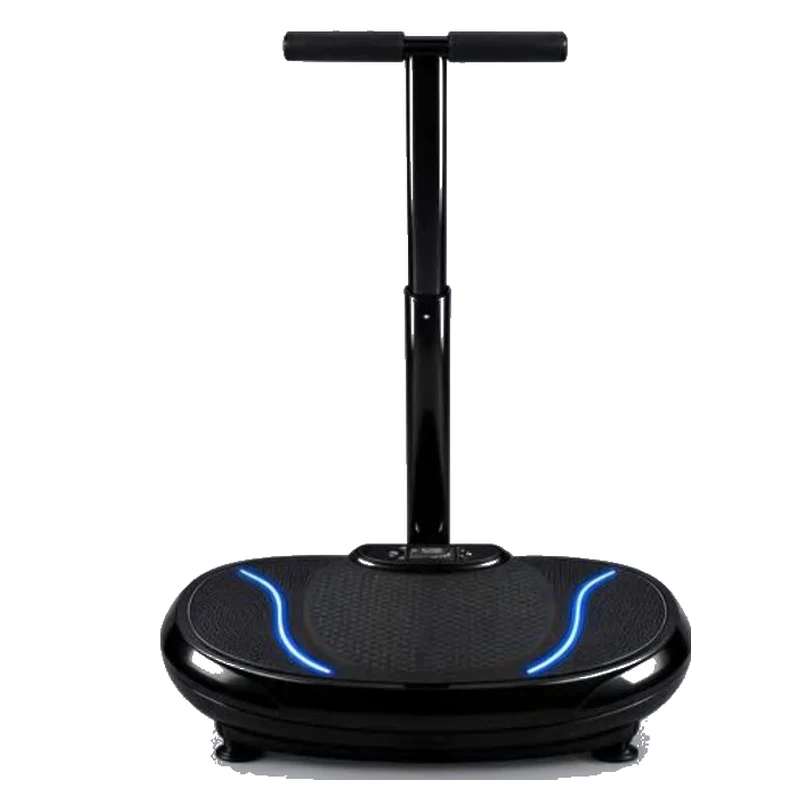
On a vibration platform, the middle block is a short timed program at a low speed, with the handle nearby. On a walking pad or treadmill, it is an easy walking pace — no incline needed. With adjustable dumbbells, the middle block is a few unhurried movements with the lightest setting. The four-part structure stays the same; only the middle changes.
Keep a note
After a session, jot down the setting, the duration and how it felt. Two lines are enough. It turns the next session into a small adjustment rather than a fresh guess, which is usually what makes a routine stick.
Read: after a sessionBack to the knowledge hub