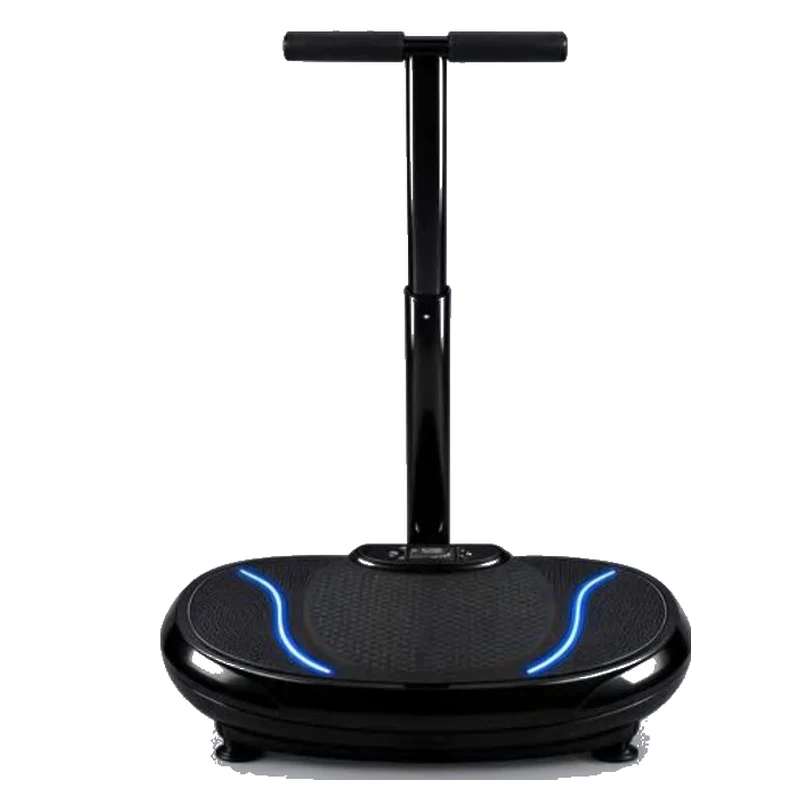

A plain-language look at the short period after activity: warmth, breathing, stiffness and why a gentle cool-down and rest are part of the routine.
A home movement session does not really end when you step off the machine. The few minutes afterwards are part of the routine, and understanding them makes it easier to plan a session you can repeat tomorrow.
Immediately after activity
During movement, breathing is faster, the heart works harder, and the muscles you used feel warm and a little tired. Afterwards those things settle at their own pace. Most people notice that a sudden stop feels less comfortable than a gradual one — which is the simplest practical reason to slow down before you finish rather than stopping abruptly.
How strong these sensations are depends on the activity, its duration, the room temperature and the individual. There is no single number that applies to everyone, and a home routine does not need to be measured against anyone else's.
Why the cool-down exists
A cool-down is simply a few minutes of easier movement at the end of a session: slower walking, gentle arm circles, or an easy stretch. It gives the body a clear transition from activity to rest and makes the end of a session feel deliberate rather than abrupt. Three to five minutes is enough for most home routines.
Later in the day
Some people notice a feeling of tightness or stiffness some hours after an unfamiliar activity, especially when they have tried something new or gone longer than usual. That is one reason short, repeatable sessions are easier to live with than occasional very long ones. Keeping the first few sessions modest gives you a baseline to compare against.
Four habits that help
- Finish with two to three minutes of slower movement instead of stopping suddenly.
- Keep water nearby and drink according to thirst.
- Leave a little time between a session and the next task on your schedule.
- Note what you did, briefly, so the next session starts from something you remember.
For a concrete example of how to structure a short session, read our ten-minute warm-up and cool-down routine.
Read the 10-minute routineBack to the knowledge hub