Why a short, repeatable routine usually works better than an occasional long one, and the small environmental details that help.
The most effective home routine is usually the one that still fits on a busy Wednesday. Consistency comes from removing friction, not from adding intensity.
Short and repeatable
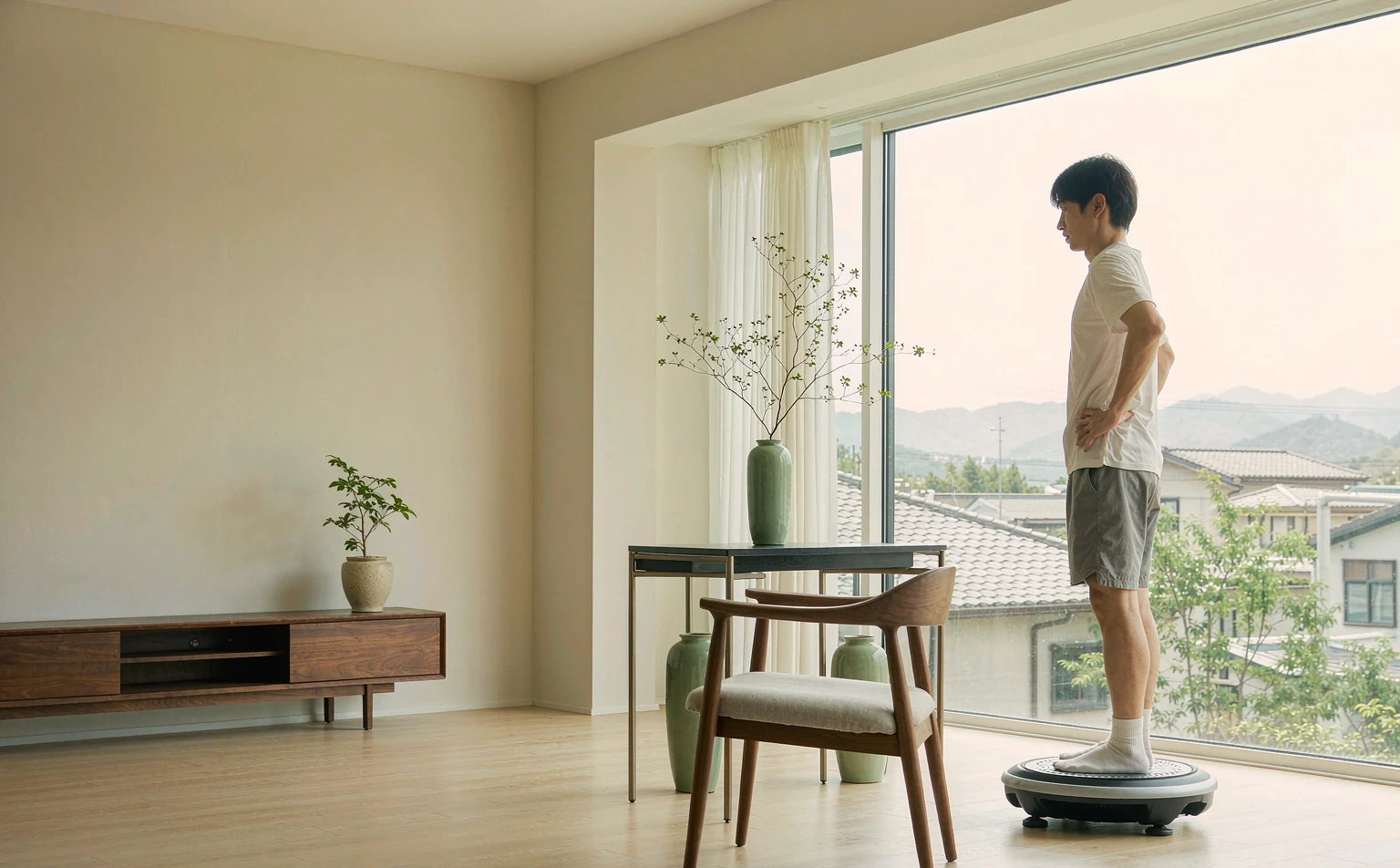
A ten-minute session that happens four times a week is easier to sustain than a long session that happens once. Short sessions leave less room for excuses, require less planning, and make it simple to notice what changed between one day and the next. If a session feels too long, shorten it rather than skipping it.
Small details that remove friction
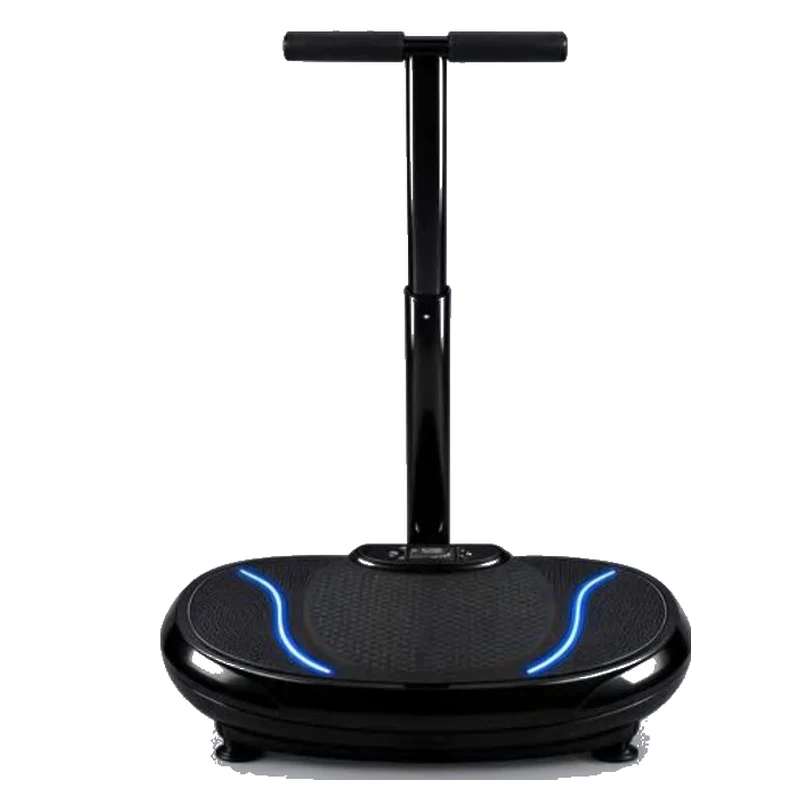
- Keep the equipment in one place instead of dismantling it after every use.
- Pair the session with something that already happens: after breakfast, or before the evening meal.
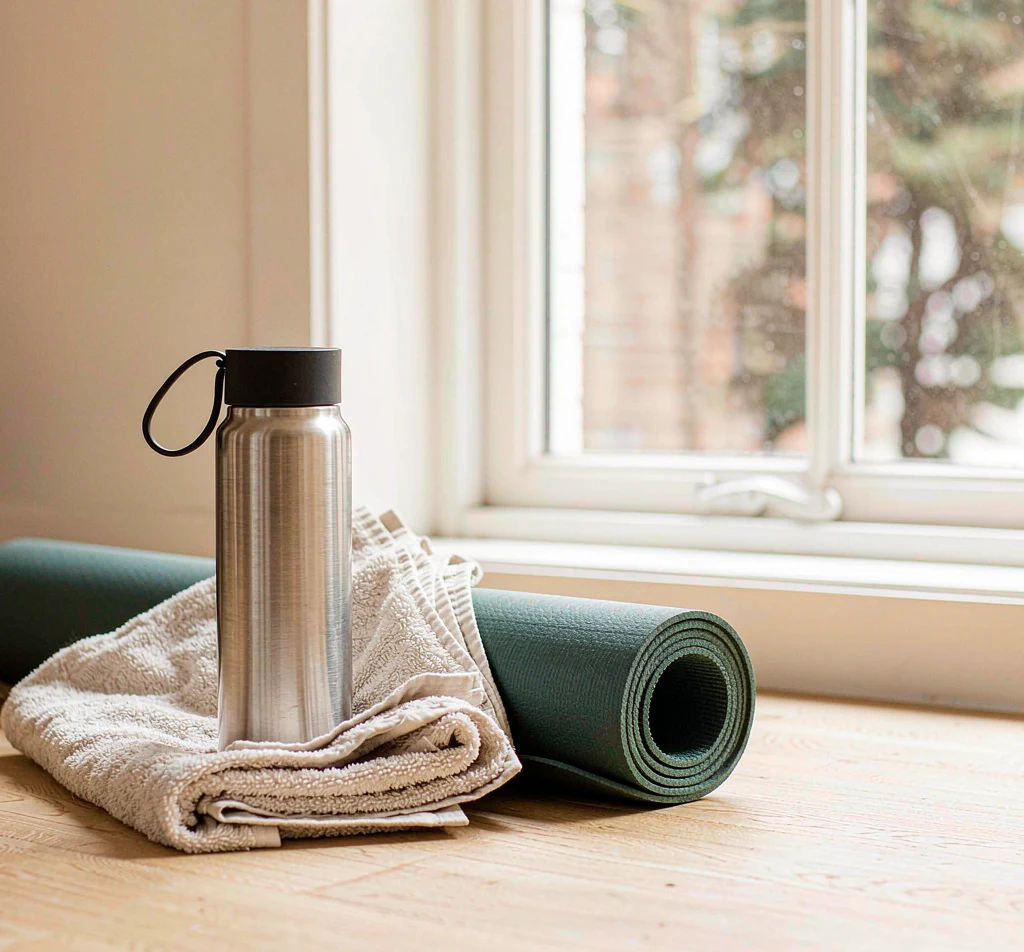
- Leave the remote, a cloth and a water bottle together in the same spot.
- Write down the setting and duration in two lines so tomorrow starts from a known point.
Hydration and rest, plainly
Keep water nearby and drink according to thirst, particularly in a warm room. Leave a little time between a session and whatever comes next on your schedule so you are not rushing straight from activity into a task. Rest is not a gap in a routine; it is the part that makes the next session possible. If you feel unusually tired, a day off is a reasonable choice.
Thinking in weeks, not days
| Instead of | Try |
|---|---|
| Judging a single session | Noticing whether the routine still fits after two weeks |
| Adding intensity first | Adding consistency first |
| Comparing with other people | Comparing with your own first week |
| A complicated plan | A four-part structure you can remember |